
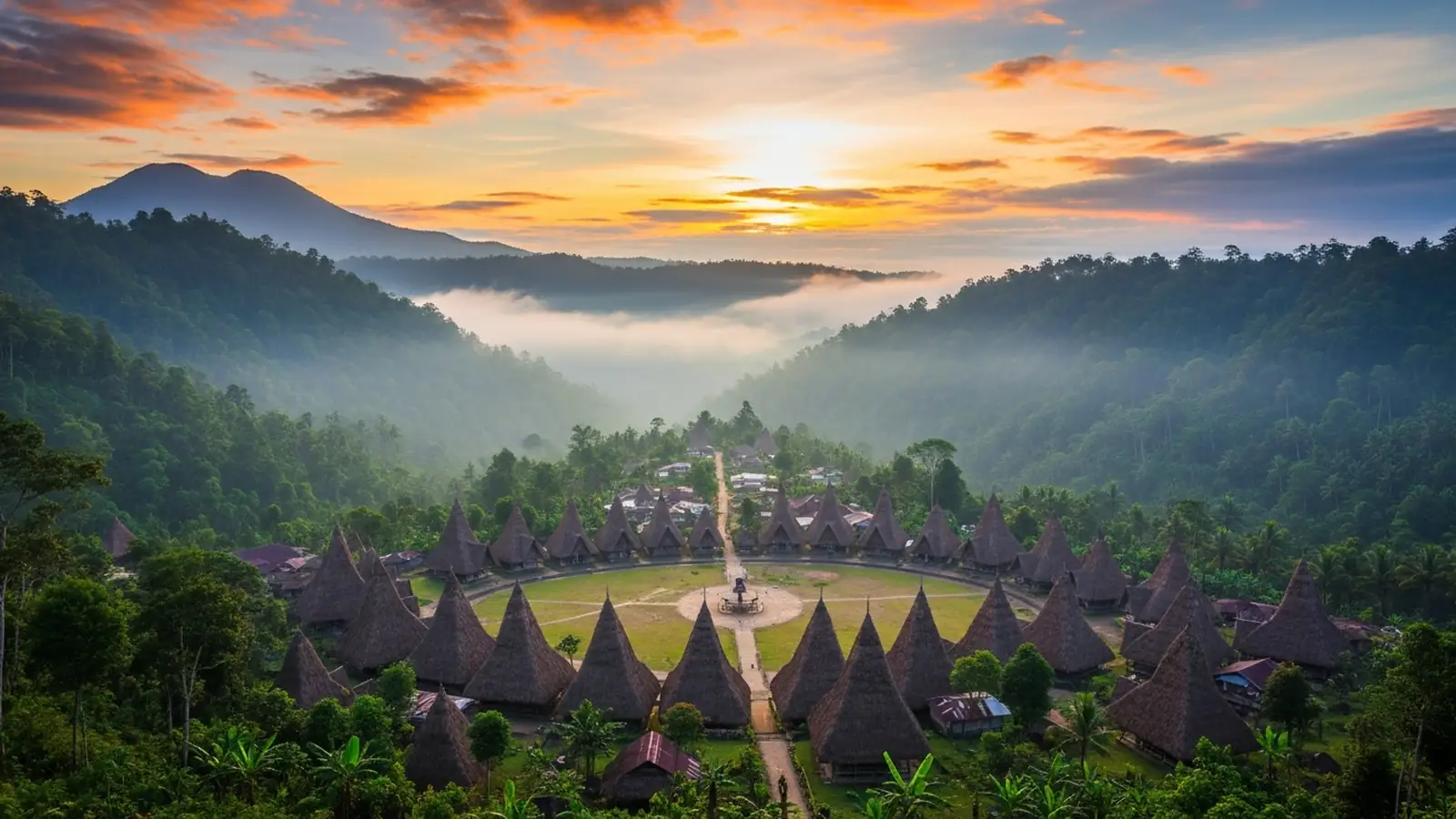
 Flores · Waerebo Village Tour
Explore the Enchanting Waerebo Village
Experience the traditional life and stunning landscapes of Waerebo Village, a UNESCO World Heritage site in Flores, Indonesia. Connect with local culture and enjoy guided tours through this hidden gem.
What kind of tour are you interested in?
Choose the type of experience you're looking for, and we'll guide you through the options.
For discerning travellers seeking an authentic cultural experience combined with adventure, the Wae Rebo Village tour offers an unparalleled opportunity. Located in the highlands of West Flores, this tour is not just a visit to a traditional village but a step back in time. From the trek up the mountain to the overnight stay in the iconic Mbaru Niang houses, each moment highlights Indonesia’s rich heritage. Starting your journey from Labuan Bajo or exploring the wider Flores area, our comprehensive guide ensures you’re prepared for every aspect of this remarkable tour.
Getting to Wae Rebo Village
Wae Rebo Village is a remote Manggarai village located in the highlands of West Flores, Indonesia. Due to its isolated location, there is no direct road access to the village. Visitors must embark on a trek from the lower area of Denge or Wae Lomba. This hike typically takes about two hours, with a significant elevation gain that challenges even experienced trekkers. Most tours depart from Labuan Bajo, known as the gateway to the Komodo Islands. The overland journey from Labuan Bajo to Denge/Wae Lomba takes approximately 4 to 6 hours by car, depending on road conditions. For those looking to immerse themselves in the adventure, the trek to Wae Rebo is a rewarding experience that offers stunning mountain views and a chance to connect with nature.
Tour Options and Pricing
When planning your Wae Rebo Village tour, several options are available to suit different preferences and budgets. A typical 2-day, 1-night tour from Labuan Bajo includes overland transport, a night in a traditional Mbaru Niang house, and meals in the village. Shared tours are commonly priced around IDR 1,850,000 to 1,900,000 per person. For instance, Green Rinjani offers a package at IDR 1,900,000 per person. Alternatively, booking through platforms like Seaesta Komodo Hostel & Hotel may offer similar pricing. However, online platforms such as GetYourGuide can list tours at higher prices, ranging from IDR 2,500,000 to 3,200,000 per person. For a more exclusive experience, Komodo Touristic offers a private 2-day, 1-night trip at approximately USD 310 per person. It’s essential to confirm prices and availability directly with operators to ensure the best experience.
Booking and Logistics
To secure your spot on a Wae Rebo tour, booking at least 1 to 2 weeks in advance is recommended, especially during the busy dry season months. Most operators require guests to send passport copies and pay a deposit via bank transfer, PayPal, or similar methods. The balance is typically paid in cash upon arrival in Labuan Bajo. For independent travellers, visiting Wae Rebo without a pre-booked guide is possible, as there is currently no formal reservation system or daily visitor cap enforced by the village. However, payments for the welcome ritual and overnight stay should be handled directly with the village management upon arrival. This flexibility allows for a more personalised and spontaneous travel experience.
Experience at Wae Rebo Village
Staying overnight in Wae Rebo Village offers a unique cultural immersion. The village is renowned for its iconic conical houses, Mbaru Niang, which are built from wood and covered with lontar palm thatch. Facilities in the village are basic, with showers often being bucket baths and toilets being simple rather than Western-style. There is no guarantee of hot water or private bathrooms, and sleeping arrangements are shared inside the Mbaru Niang with other guests and villagers. Visitors are advised to bring warm clothing for the noticeably cold nights, as well as sturdy hiking shoes, mosquito repellent, and sufficient cash in IDR for village fees, as there are no ATMs nearby. Despite the low comfort, the authenticity of the experience is unmatched.
Best Time to Visit
The best time to visit Wae Rebo is during the dry season, from May to September or October. During this period, the trails are less muddy, and the mountain views are clearer, enhancing the trekking experience. However, weekends tend to be more crowded, so those seeking a quieter cultural immersion are advised to visit on weekdays. The dry season also aligns with the peak tourist season in the Labuan Bajo–Komodo–Flores area, so planning and booking in advance is crucial to secure preferred dates and accommodations.
Combining Wae Rebo with Komodo National Park
For travellers with more time, combining a Wae Rebo Village tour with a visit to Komodo National Park offers a comprehensive cultural and adventure experience. A combined tour typically requires 4 to 6 days, with at least 2 days for Wae Rebo and 1 to 3 days for exploring Komodo by boat. Standard Komodo itineraries from Labuan Bajo include visits to islands such as Padar, Komodo or Rinca, Pink Beach, and snorkeling spots. These tours are marketed together to international travellers, providing a diverse exploration of both cultural and natural wonders. Komodo National Park is a protected area, and visiting requires park entrance fees, with boat tours operating under licensed guides following park regulations.
Preparing for Your Trip
Preparation is key to enjoying a successful Wae Rebo Village tour. Ensure you have all necessary travel documents and confirm bookings with tour operators. Pack appropriate clothing, including jackets, long pants, socks, and hoodies for the cold nights. Essential items include sturdy hiking shoes, mosquito repellent, earplugs, a sleeping mask, and sufficient cash in IDR. Be prepared for basic facilities and embrace the authenticity of the experience. For further information and assistance, visit our about and contact pages.
Local Culture and Customs
Understanding the culture and customs of Wae Rebo is crucial for a respectful visit. The Manggarai people maintain a traditional lifestyle that has been preserved for generations. The village’s main structures, the Mbaru Niang houses, are not just homes but central to their cultural identity. Visitors are often welcomed with a ceremonial greeting, reflecting the villagers’ hospitality and their deep respect for tradition. It is advised to dress modestly and follow the lead of the locals in terms of customs, such as removing shoes before entering a house. Engaging with the villagers, learning about their daily activities, and participating in traditional dances or music sessions enrich the experience and foster mutual respect.
Sustainable Tourism in Wae Rebo
Sustainability is a key focus for tourism in Wae Rebo Village. The community has embraced tourism as a means to support their traditional way of life while preserving their environment. Visitors are encouraged to minimize their environmental impact by following guidelines such as not leaving litter, using biodegradable products, and conserving water. The village’s remote location means resources are limited, so conscious consumption is necessary. Tour operators often collaborate with the community to ensure that tourism benefits the villagers directly, helping fund local projects such as education and infrastructure improvements. By choosing responsible tours, visitors contribute to the sustainable development of Wae Rebo.
Flora and Fauna of the Highlands
The trek to Wae Rebo Village is not only a cultural journey but also an opportunity to explore the region’s diverse flora and fauna. The highlands of Flores are home to a variety of plant species, including rare orchids and other tropical plants that thrive in the mountain climate. Birdwatchers will find the area particularly rewarding, with many endemic species inhabiting the forested slopes. Observing the wildlife along the trail adds an enriching dimension to the trek, offering glimpses of the natural beauty that complements the cultural richness of Wae Rebo. Guides often share their knowledge about the local ecosystem, enhancing visitors’ understanding of the region’s biodiversity.
Ready to embark on a journey to Wae Rebo Village? Our dedicated team is here to assist with your booking and ensure a seamless travel experience. Contact us today to learn more about our tours and start planning your adventure. Visit our contact page to get in touch and make an enquiry.